Walking a Road I Hoped I’d Never See Again
written by Carrie Borrello
There is a particular kind of exhaustion that comes from realizing you are standing at the beginning of a road you never wanted to walk again.
When my son entered his diagnostic odyssey nearly nine years ago, everything was unfamiliar, the language, the fear, the waiting, the constant recalibration of hope and disappointment. I learned the terrain as I went: medicine, systems, advocacy, grief. I learned without a map and without a compass, simply responding to what was placed in front of us.
Now, I find myself facing a second diagnostic journey, this time with my daughter, and the experience is profoundly different and painfully similar all at once.
This time, I know too much.
The Burden of Knowing
Experience brings knowledge, and knowledge brings power, but it also brings weight.
I know how long this can take.
I know how many appointments can end without answers.
I know how many tests can come back “normal” while something still isn’t right.
I know how deeply uncertainty can root itself into daily life.
I know how systems work and where they fail. I know when to push, when to pause, and when to translate medical language into something human.
And yet, knowing doesn’t make it easier to begin again.
In some ways, it makes it harder.
There is a quiet resistance that lives inside me now… a voice that whispers, I don’t want to do this again.
Not because I am unwilling.
Not because I don’t love fiercely or advocate relentlessly.
But because I know what this road can cost.
I know how it reshapes time.
How it interrupts childhood.
How it alters the way you plan, hope, and imagine the future.
I know what it means to carry medical uncertainty alongside school schedules, friendships, and everyday moments that deserve lightness. And I grieve that my daughter may now have to learn a language she never asked to speak.
Learning While Hurting
What my son’s journey has taught me is this: two truths can exist at once.
I can be deeply equipped and deeply tired.
I can be grateful for the knowledge and resent the necessity of using it again.
I can advocate with confidence and ache with fear.
This second odyssey is surfacing lessons I didn’t know I had learned; about boundaries, about pacing, about preserving joy even in uncertainty. It is also forcing me to confront something harder: that resilience does not mean immunity from grief.
Experience doesn’t remove the ache. It simply gives it context.
I am walking forward because that is what love does.
Not bravely.
Not heroically.
But honestly.
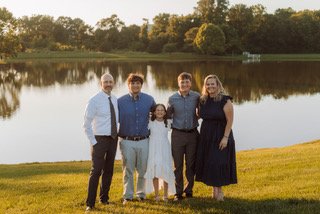
I am walking forward while naming my resistance instead of silencing it. I am walking forward while holding both of my children’s stories with care, knowing they are different and equally deserving of answers, dignity, and hope.
Hope looks different the second time around.
It is quieter. Less performative. Less attached to timelines and outcomes. Hope now lives in small, intentional choices: choosing curiosity over fear, presence over panic, connection over isolation.
I don’t carry false optimism anymore. What I carry instead is grounded hope—hope rooted in advocacy, community, and the knowledge that we are not alone in this search.
I hope for answers, but I also hope for dignity along the way.
I hope for clarity, but I also hope for joy that exists independent of diagnosis.
I hope for healing, but I also hope for gentleness in the waiting.
This second diagnostic odyssey is not a repeat of the first. It is its own unfolding, its own path. And while I wish with everything in me that we weren’t here again, I am choosing to walk forward with honesty instead of bravado.
Hope, I’ve learned, doesn’t require certainty.
Sometimes, it simply requires the courage to keep going even when the road is familiar, and still unwanted.
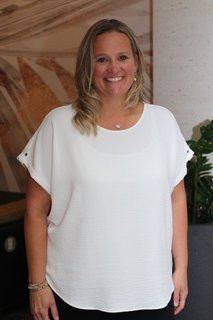
Carrie Borrello is a caregiver, advocate, and mother of three whose work is deeply shaped by her family’s own journey through the rare and undiagnosed disease space. As a PEER member of the Undiagnosed Diseases Network Foundation (UDNF) and a contributing writer for Suddenly Brave Together, she brings voice and visibility to the often unseen experiences of caregiving families. Professionally, she serves as the Annual Giving Manager at the EveryLife Foundation for Rare Diseases and as the Nashville Connection Circle Leader for We Are Brave Together, where she helps foster connection, community, and support. Carrie is passionate about creating spaces where individuals feel seen, heard, and not alone and where hope can take root.